
Introduction
Many people ignore the early signs of surface eye disorders. However, these signs can affect your vision health over time. Recognizing surface eye disorder symptoms early helps protect your long-term eye health. In this blog, you will learn what to watch for and why early eye disease detection is so important.
What Are Surface Eye Disorders?
Surface eye disorders affect the outer layer of your eye. This includes the cornea, conjunctiva, and tear film. Common examples are dry eye, allergic conjunctivitis, and infections. Although these problems may seem minor at first, they can lead to bigger issues if left untreated. According to the World Health Organization (WHO), early care can prevent many vision problems.
Early Signs to Watch For
It is important to notice changes in your eyes early. Some signs may be mild, but they should not be ignored. For example, you might feel discomfort or see redness. Here are some common early signs of surface eye disorders:
If you notice any of these symptoms, you should pay attention. Early action can make a big difference.
Why Early Detection Matters for Long-Term Vision
Early detection of surface eye disorder symptoms is key for protecting vision health. If left untreated, these disorders can cause lasting damage. For instance, dry eye can lead to scarring of the cornea. This may affect your vision long-term. Also, untreated infections can spread and cause more serious problems. According to the CDC, early treatment helps prevent vision loss and keeps your eyes healthy for years to come.
Diagnosis and When to See an Eye Doctor
Sometimes, surface eye disorders can be hard to spot. However, regular eye exams help catch problems early. You should see an eye doctor if:
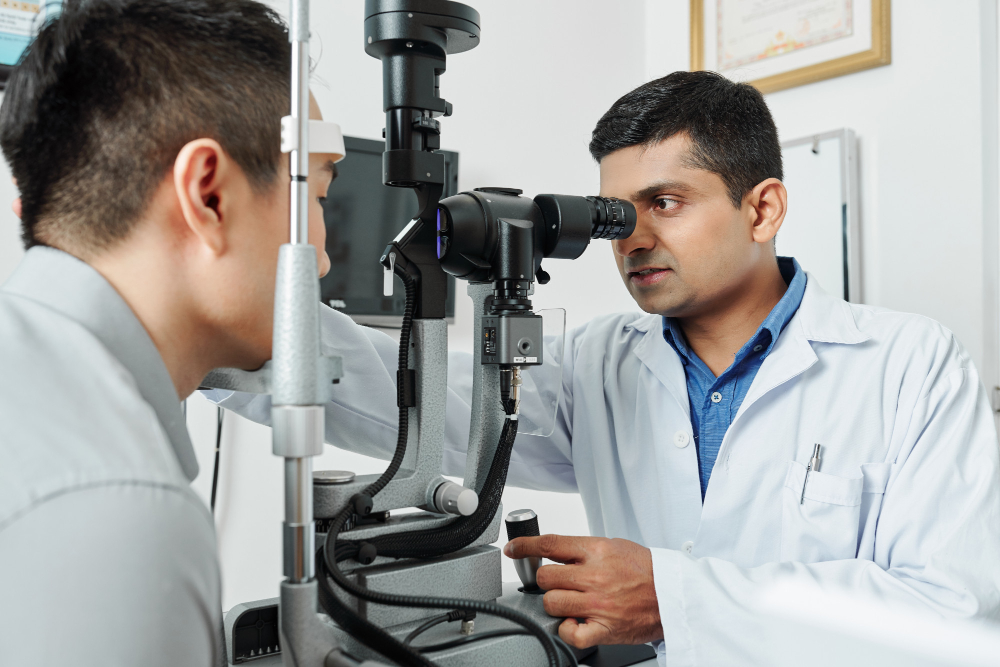
During an exam, your doctor will check your eyes closely. They may use special lights or drops to look for signs of disease. Early eye disease detection gives you the best chance for long-term eye health.
Prevention and Lifestyle Tips
Protecting vision health starts with good habits. Even small changes can help prevent surface eye disorders. For example, you can:
Additionally, regular eye check-ups help catch problems early. This way, you can keep your eyes healthy for the long term.
Conclusion & Call-to-Action
In summary, early signs of surface eye disorders should never be ignored. While symptoms may seem mild, they can lead to bigger issues if left untreated. Early detection and care are vital for protecting your vision health. If you notice any changes in your eyes, consult an eye care specialist. They can provide personalized advice and help you maintain long-term eye health.