
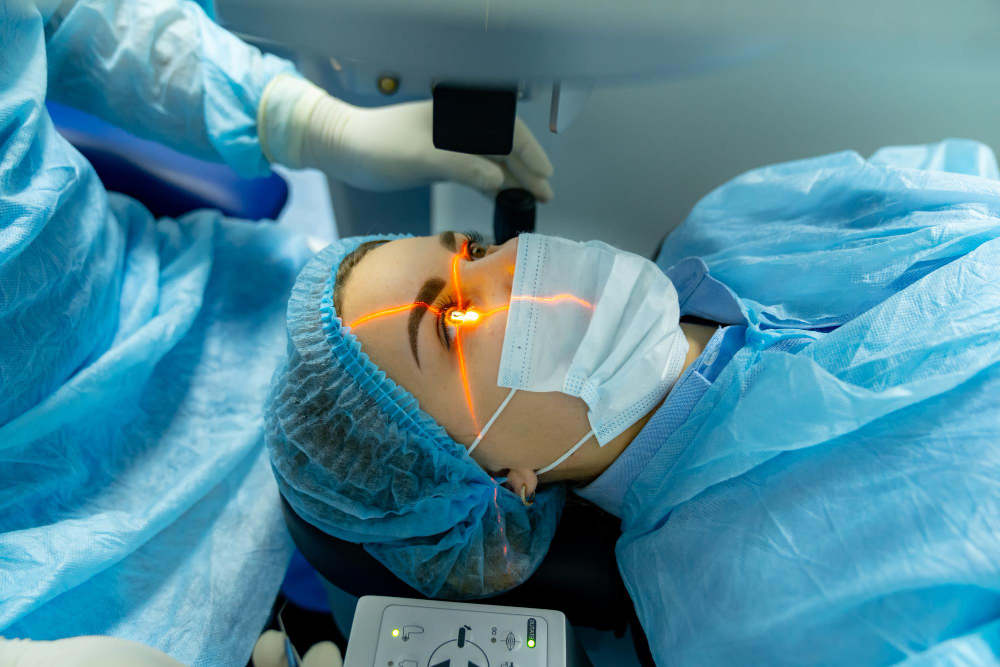
What is Diabetic Retinopathy?
Diabetic retinopathy is an eye disease caused by high blood sugar. It damages the tiny blood vessels in the retina, which is the part of your eye that senses light. Over time, this damage can lead to vision loss. Early on, you may not notice any symptoms. However, as the disease gets worse, you might see blurry spots or dark areas in your vision. Sometimes, you may even lose vision completely. Because diabetic retinopathy can be serious, regular eye exams are important for people with diabetes.
When is Retinal Surgery Needed?
Not everyone with diabetic retinopathy needs surgery. Usually, doctors try other treatments first, such as laser therapy or injections. However, surgery may be needed if:
In these cases, retinal surgery can help save your sight. Your eye doctor will decide if surgery is the best option for you.
Types of Retinal Surgery for Diabetic Retinopathy
There are a few types of retinal surgery for diabetic retinopathy. Each type targets a different problem in the eye. The main surgeries include:
Each surgery has its own steps and recovery time. Your doctor will explain which one is right for you.
What to Expect Before, During, and After Surgery
Before surgery, your doctor will check your eyes and overall health. You may need to stop certain medicines. Sometimes, you will get special eye drops or instructions to follow. During surgery, you will get local or general anesthesia, so you do not feel pain. The surgery usually takes one to two hours. After surgery, you may need to wear an eye patch. Your doctor will give you eye drops to prevent infection and swelling. You should avoid heavy lifting and bending over for a few weeks. Most people notice better vision after a few weeks, but full recovery can take longer. Always follow your doctor’s advice for the best results.
Risks and Benefits of Retinal Surgery
Like any surgery, retinal surgery has risks and benefits. The main benefits include:
However, there are some risks, such as:
Most people do well after surgery, but it is important to talk with your doctor about your own risks. The benefits often outweigh the risks, especially if vision is at stake. According to the CDC, early treatment can reduce the risk of blindness by 95%.
Prevention Tips for Diabetic Retinopathy
Preventing diabetic retinopathy is possible with good diabetes care. Here are some tips to help protect your eyes:
Early detection is key. If you notice any changes in your vision, see an eye doctor right away. The World Health Organization also recommends regular screening for people with diabetes.
Frequently Asked Questions
If you have diabetes and notice vision changes, do not wait. Consult an eye specialist for personalized advice on diabetic retinopathy and retinal surgery.