
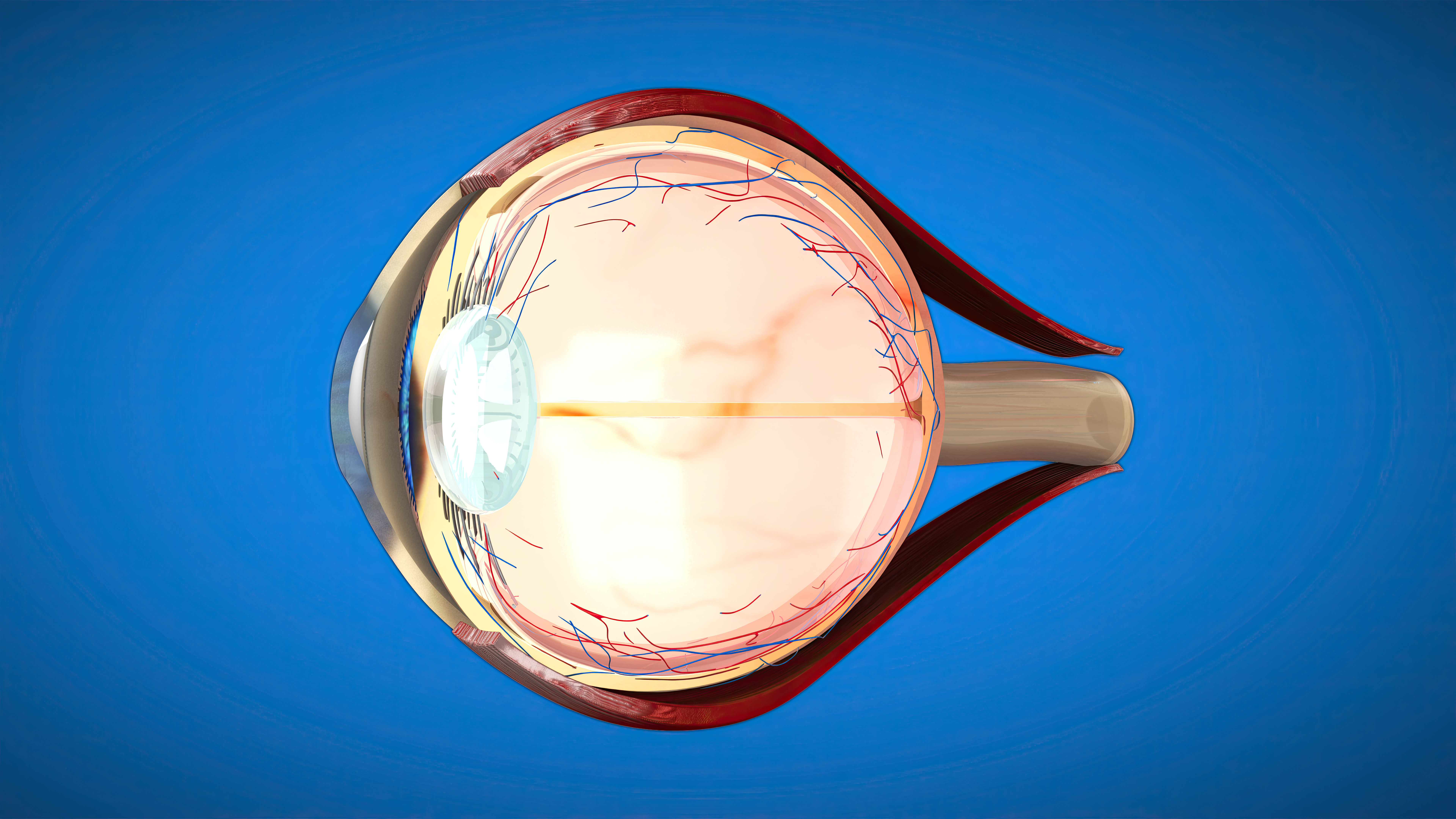
What is Optic Neuritis?
Optic neuritis is a condition where the optic nerve becomes inflamed. The optic nerve connects your eye to your brain. Because of this, optic neuritis can cause sudden vision problems. Often, this inflammation affects one eye, but sometimes both eyes are involved. Early detection is important, as optic neuritis can signal other health issues, such as multiple sclerosis. According to the World Health Organization, optic neuritis is a leading cause of sudden vision loss in young adults.
Common Symptoms
Optic neuritis symptoms can appear quickly. Sometimes, they develop over a few days. If you notice any of these signs, you should seek medical help:
Additionally, some people may notice their vision gets worse with heat or exercise. This is called Uhthoff’s phenomenon.
Causes and Risk Factors
There are several reasons why optic neuritis can occur. While the exact cause is not always clear, some common causes and risk factors include:
For example, people with MS are more likely to develop optic neuritis. However, it can also happen without any known cause.
How Optic Neuritis Affects Vision
Because the optic nerve carries signals from your eye to your brain, inflammation can block these signals. As a result, you may lose vision or see blurry images. Sometimes, only the center of your vision is affected. In other cases, you may lose all vision in the affected eye. Fortunately, many people recover most of their vision over time. However, some may have lasting problems, such as trouble seeing colors or dim vision.
Diagnosis and Tests
Doctors use several tests to diagnose optic neuritis. Early diagnosis helps prevent further vision loss. Common tests include:
Sometimes, doctors may refer you to a neurologist for more tests. This is especially true if they suspect multiple sclerosis.
Treatment Options
Most cases of optic neuritis improve on their own. However, doctors may recommend treatment to speed up recovery or prevent complications. Common treatments include:
In rare cases, if vision does not improve, other treatments may be needed. For those seeking optic neuritis treatment in your city, local eye clinics can provide specialized care.
Prevention and Lifestyle Tips
While you cannot always prevent optic neuritis, you can lower your risk by following these tips:
Additionally, staying informed about eye health helps you notice changes early.
When to See an Eye Specialist
If you notice sudden vision changes, do not wait. Early treatment can protect your eyesight. See an eye specialist if you experience:
In summary, optic neuritis is a serious condition, but early care can make a big difference. If you notice changes in your vision, consult an eye specialist for personalized advice.