
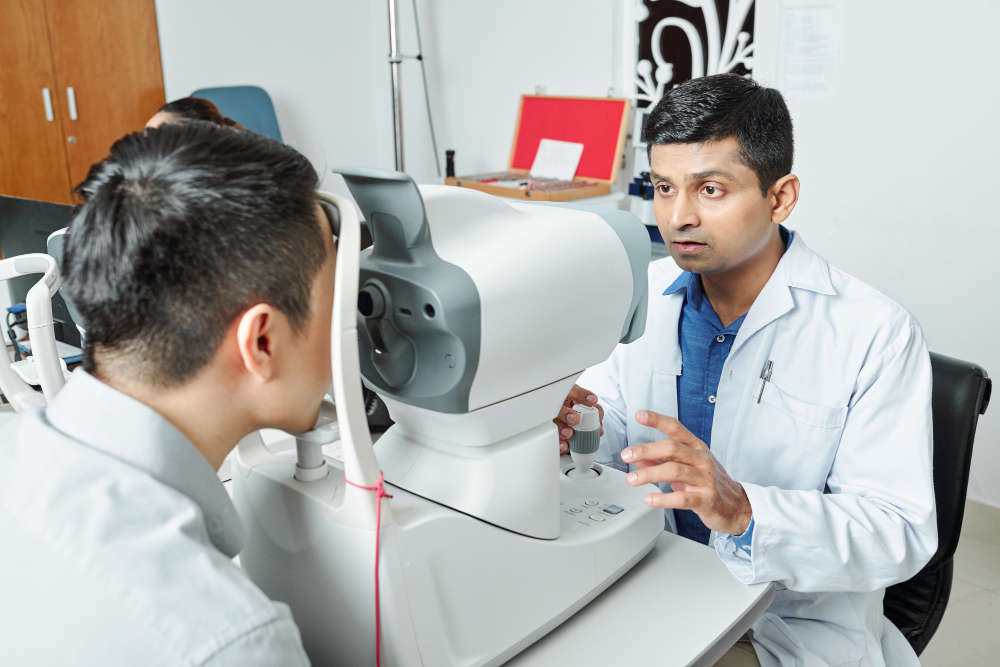
What is High Myopia?
High myopia means you are very nearsighted. In other words, you need strong glasses or contact lenses to see clearly. Usually, doctors call it high myopia if your prescription is -6.00 diopters or more. This condition makes far-away objects look blurry. According to the World Health Organization (WHO), high myopia can increase your risk for eye problems later in life.
Why LASIK May Not Be Enough for High Myopia
Many people choose LASIK to fix nearsightedness. However, LASIK may not work well for everyone with high myopia. For example, if your prescription is very strong, LASIK might not fully correct your vision. Also, LASIK removes a thin layer from your cornea. If your cornea is too thin, it may not be safe to do more surgery. Because of these reasons, doctors sometimes suggest other treatments for severe nearsightedness.
Alternative Treatments for High Myopia
When LASIK isn’t enough, you still have options. Here are some alternatives to LASIK for high myopia:
Each treatment has risks and benefits. Therefore, it is important to talk with your eye doctor about which option is best for you.
Lifestyle Tips for Managing High Myopia
Even if you cannot have LASIK, you can still manage high myopia. Here are some helpful tips:
With these habits, you can help keep your eyes healthy and comfortable.
Prevention and Eye Health Guidance
While you cannot always prevent high myopia, you can slow its progress. For example, children should spend more time outdoors. Studies show that sunlight may help slow nearsightedness in kids. Also, regular eye exams can catch changes early. If you notice new symptoms, such as flashes of light or sudden vision loss, see your doctor right away. These could be signs of serious problems, like retinal detachment, which is more common in people with high myopia.
When to Consult an Eye Specialist
It is important to see an eye specialist if you have high myopia. For instance, you should visit your doctor if:
Early care can help protect your vision and prevent problems.
In summary, high myopia can be managed even if LASIK is not enough. There are many alternatives and lifestyle changes that can help. Consult an eye specialist for personalized advice on managing high myopia.