
What is Retinal Detachment?
Retinal detachment is a serious eye emergency. It happens when the retina, a thin layer at the back of your eye, pulls away from its normal position. Because the retina helps you see, this problem can cause vision loss if not treated quickly. Knowing how to identify retinal detachment is important for protecting your eyesight. Early warning signs of retinal detachment can help you act fast. Although this condition is rare, it can happen to anyone. Therefore, learning about retinal detachment symptoms is helpful for everyone.
Key Symptoms and Warning Signs
Recognizing the early warning signs of retinal detachment can save your vision. If you notice any of these symptoms, seek help right away:
Sometimes, these symptoms appear without pain. However, they are still serious. For example, seeing a dark curtain moving across your vision is a key warning sign. If you notice any of these, act quickly. According to the American Academy of Ophthalmology, fast treatment can prevent permanent vision loss.
Who is at Risk?
Some people have a higher risk of retinal detachment. Knowing your risk can help you stay alert. Common risk factors include:
In addition, people with diabetes or those who have had cataract surgery should be extra careful. If you live in areas with limited access to eye care, regular check-ups are even more important.
How is Retinal Detachment Diagnosed?
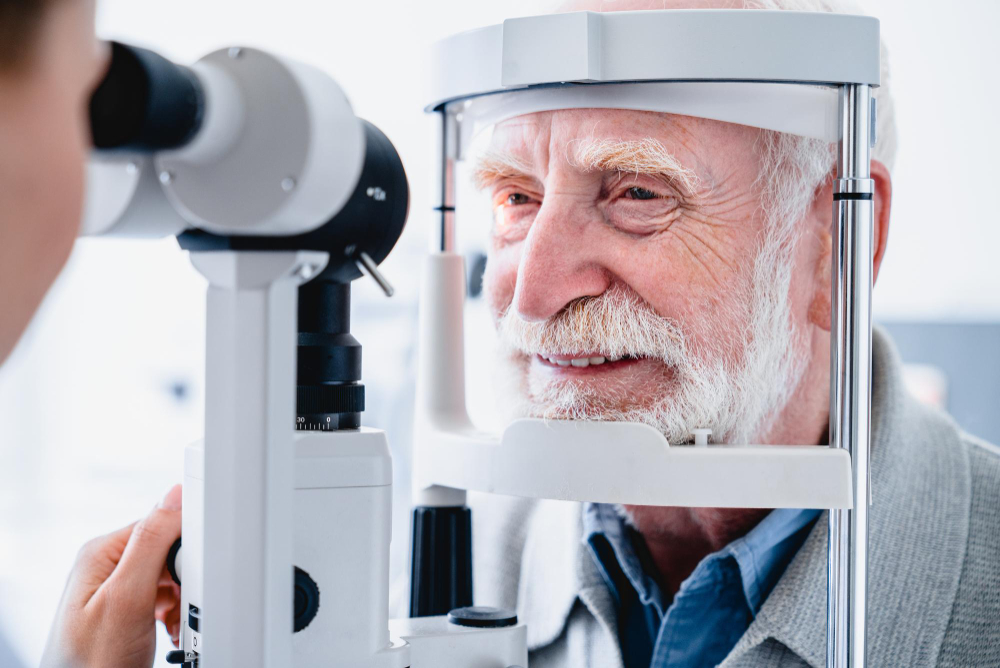
Doctors use special tools to check for retinal detachment. First, they will ask about your symptoms. Next, they will examine your eyes with a bright light and a lens. Sometimes, they may use ultrasound if the view is blocked. Early diagnosis is key. Therefore, do not wait if you notice changes in your vision. The World Health Organization (WHO) and CDC recommend regular eye exams, especially for those at higher risk.
What To Do If You Notice Symptoms
If you notice any retinal detachment symptoms, act fast. Here is what you should do:
Prompt treatment can save your vision. Even if symptoms seem mild, it is better to be safe. In many cases, early treatment leads to better outcomes.
Prevention Tips
While you cannot always prevent retinal detachment, you can lower your risk. Try these tips:
Additionally, staying informed about eye health helps you act quickly if problems arise. For those in rural or remote areas, plan regular visits to an eye care provider when possible.
If you notice any symptoms of retinal detachment, consult an eye specialist immediately for personalized care.