
Introduction
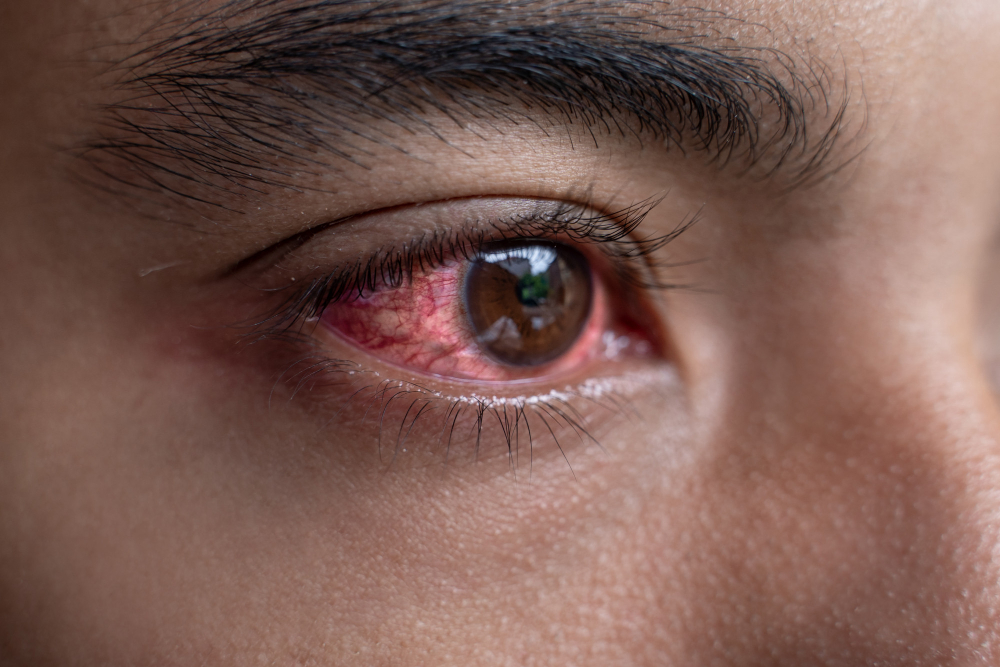
Many people notice itchy, red eyes more often this month. This is not a coincidence. In fact, seasonal eye allergies and other triggers are more common now. Because of this, eye irritation relief becomes important for many. Understanding why these symptoms peak can help you find the right itchy eyes treatment.
Common Causes
Itchy, red eyes can happen for many reasons. However, certain causes are more likely this month. Here are the most common:
For example, the CDC notes that pollen counts rise in spring and fall, making allergies worse. As a result, many experience more eye discomfort during these times.
Symptoms to Watch For
Itchy, red eyes often come with other signs. Knowing these can help you spot a problem early. Look for:
Sometimes, symptoms can be mild. But in other cases, they may get worse quickly. Therefore, paying attention to changes is important.
Diagnosis
To find the cause of itchy, red eyes, doctors look at your symptoms and medical history. They may also:
Because many things can cause red eyes, a proper diagnosis is key. According to the American Academy of Ophthalmology, seeing a doctor helps rule out serious problems.
Effective Treatments
There are many ways to treat itchy, red eyes. Some treatments you can do at home, while others need a doctor’s help. Here are some options:
However, if symptoms do not improve, it is best to seek medical advice. The WHO recommends seeing a specialist if home remedies do not help.
Prevention Tips
While you cannot avoid all triggers, you can lower your risk. Try these simple steps:
By following these tips, you can reduce your chances of eye irritation.
When to See an Eye Specialist
Sometimes, itchy, red eyes need expert care. See an eye specialist if you have:
Early treatment can prevent serious problems. Therefore, do not wait if your symptoms are getting worse.
Conclusion
In summary, itchy, red eyes are common this month due to pollen, dust, and weather changes. Recognizing symptoms early and using simple treatments can help. However, if your eyes do not get better, see a specialist. If you have persistent itchy, red eyes, consult an eye specialist for personalized care.